Commercial Parking Lot Sealing in Denver, CO
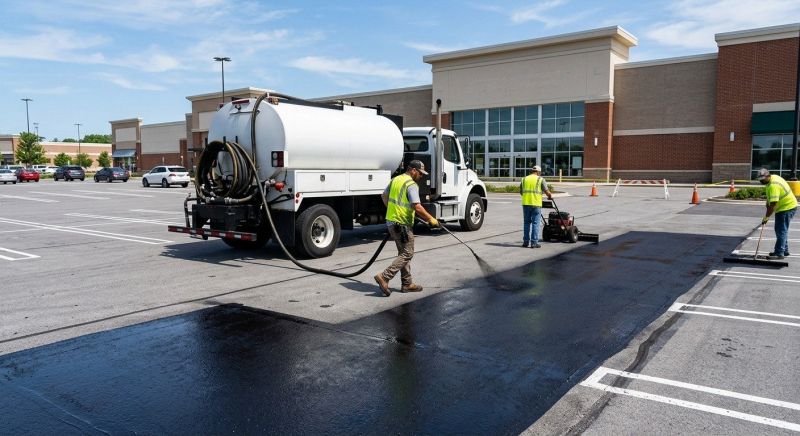
Commercial parking lot sealing involves applying a protective sealant to the surface of asphalt or concrete parking areas to prevent damage from water, chemicals, and everyday wear. This service is commonly requested for large properties such as retail centers, office complexes, and apartment complexes, as well as smaller commercial lots. Property owners usually want to understand the benefits of sealing, such as extending the lifespan of the pavement, improving appearance, and reducing the need for costly repairs over time.
Before requesting parking lot sealing, property owners should consider the current condition of the surface, including any existing cracks or damage that may need repair beforehand. It’s also important to determine the appropriate timing for sealing, typically after the surface has been properly cleaned and dried. Clear communication about the size of the lot, surface material, and any specific concerns can help ensure the sealing process meets the property’s needs effectively.
Many property owners in Denver, CO look into Commercial Parking Lot Sealing for repairs, replacements, upgrades, and appearance-related improvements.
Enhanced Parking Durability
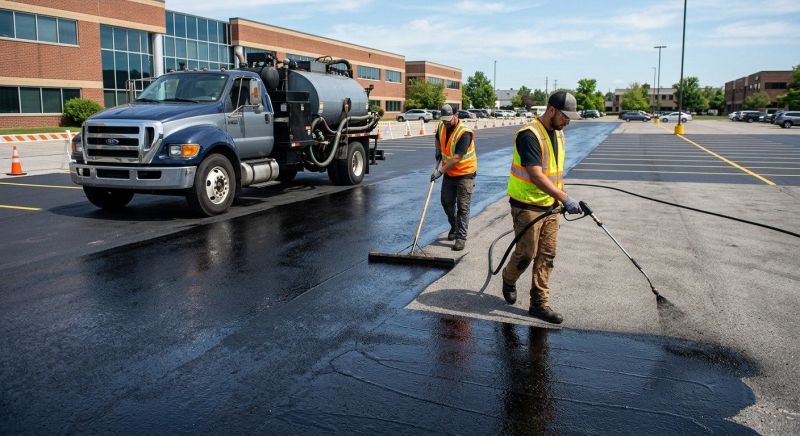
Sealing helps protect parking lots from cracks, potholes, and surface deterioration.
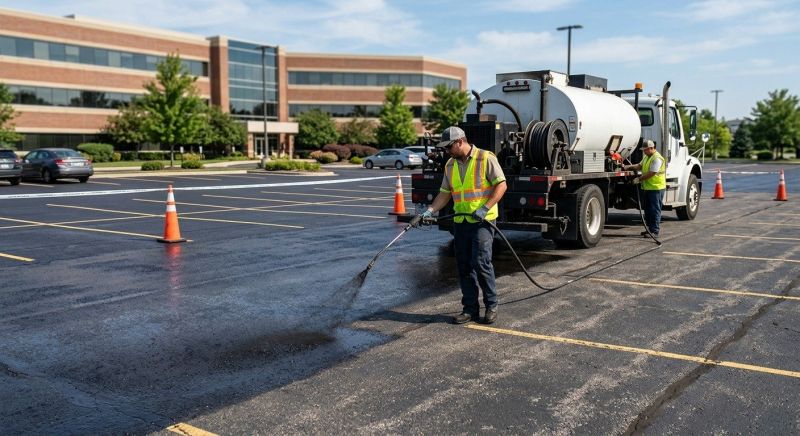
Improved Safety And Appearance
A well-maintained sealcoat creates a smooth, clean surface that reduces hazards for pedestrians and vehicles.
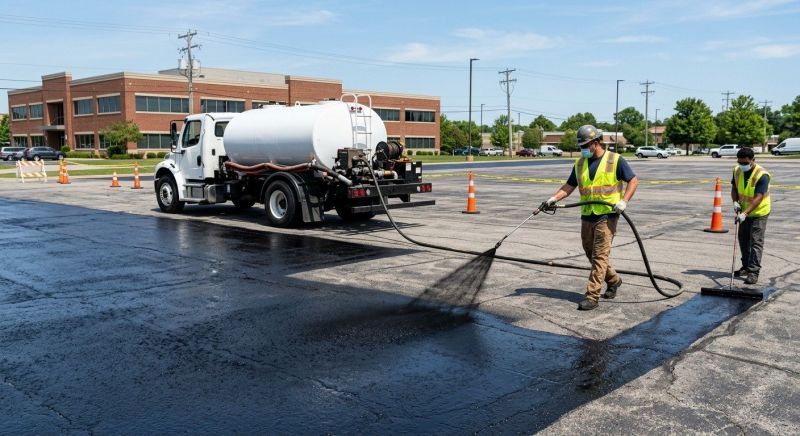
Extended Surface Lifespan
Regular sealing can significantly prolong the life of commercial parking lots in denver and nearby areas.
Commercial Parking Lot Sealing in Denver, CO

Commercial parking lot sealing involves applying a protective sealant to the surface of asphalt or concrete parking areas to prevent damage from water, chemicals, and everyday wear. This service is commonly requested for large properties such as retail centers, office complexes, and apartment complexes, as well as smaller commercial lots. Property owners usually want to understand the benefits of sealing, such as extending the lifespan of the pavement, improving appearance, and reducing the need for costly repairs over time.
Before requesting parking lot sealing, property owners should consider the current condition of the surface, including any existing cracks or damage that may need repair beforehand. It’s also important to determine the appropriate timing for sealing, typically after the surface has been properly cleaned and dried. Clear communication about the size of the lot, surface material, and any specific concerns can help ensure the sealing process meets the property’s needs effectively.
Many property owners in Denver, CO look into Commercial Parking Lot Sealing for repairs, replacements, upgrades, and appearance-related improvements.
Common Commercial Parking Lot Sealing Jobs
Parking Lot Sealing - helps protect asphalt surfaces from weather damage and wear.
Crack Sealing - prevents water infiltration that can cause pavement deterioration.
Surface Preservation - extends the lifespan of commercial parking areas through protective sealing.
Pothole Repair - addresses existing damage to maintain safety and appearance.
Line Striping and Marking - enhances parking lot organization and traffic flow.
Surface Restoration - revitalizes aged asphalt to improve curb appeal and functionality.
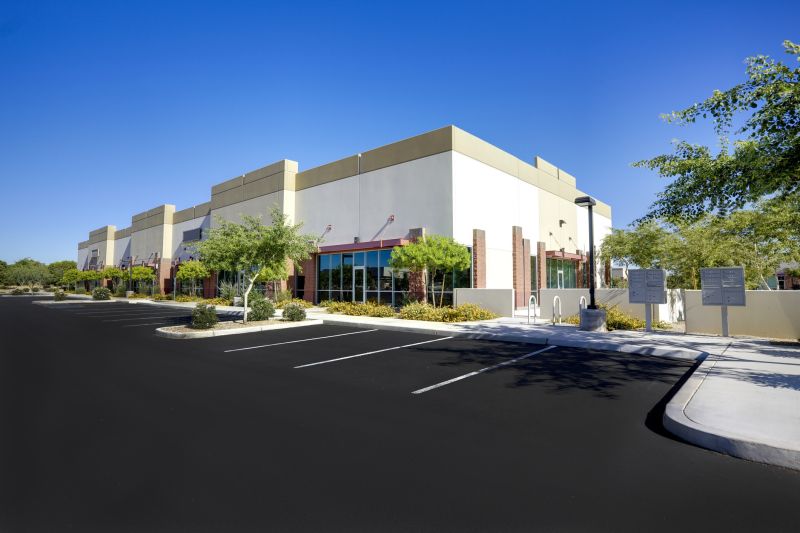
Commercial Parking Lot Sealing Questions
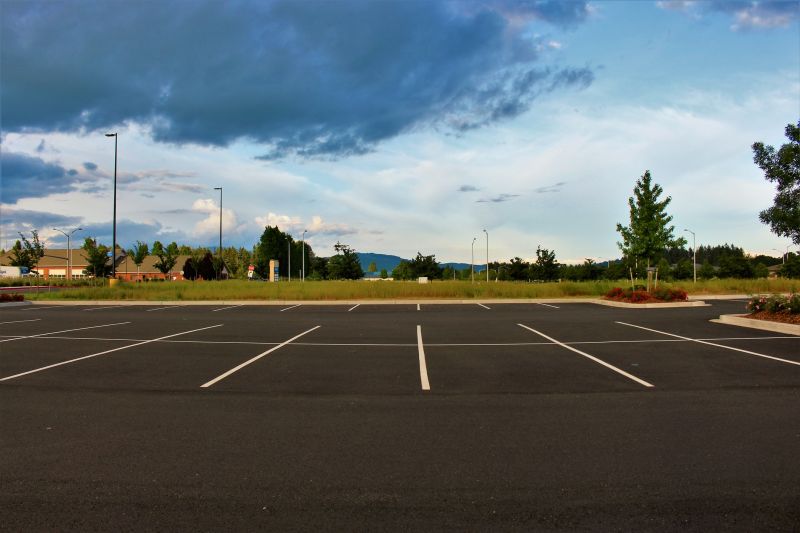
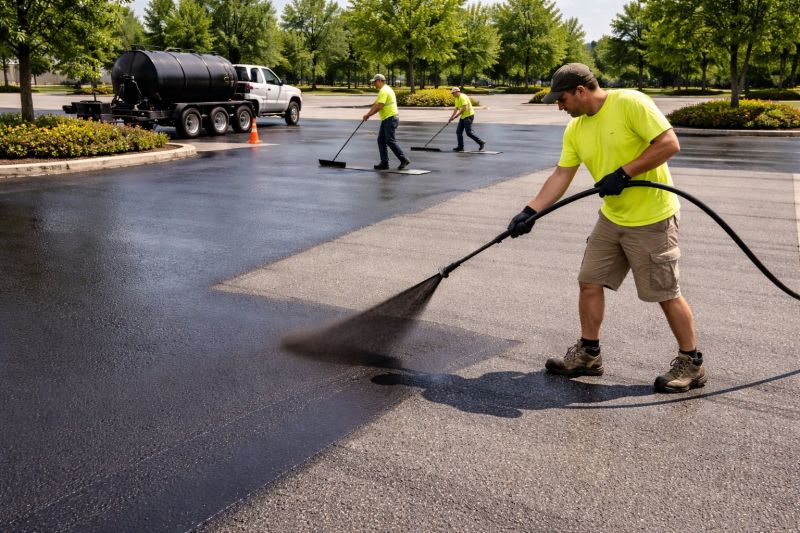
What is parking lot sealing? Parking lot sealing involves applying a protective coating to asphalt surfaces to prevent damage from weather and traffic.
Why should property owners consider parking lot sealing? Sealing helps extend the lifespan of the asphalt and maintains a clean, professional appearance.
What types of parking lots benefit from sealing? Commercial parking lots, especially those with heavy vehicle traffic, are ideal candidates for sealing.
How often should parking lot sealing be performed? Typically, sealing is recommended every 2 to 3 years to maintain optimal protection.
Request Commercial Parking Lot Sealing in Denver, CO
Use the quote form on this page to share the basics of your project and request more information for the type of work you need.